
Bạn đang tìm kiếm điều gì?

Khi năng lượng tái tạo và nông nghiệp bền vững tiếp tục phát triển song song, hệ thống nông nghiệp năng lượng mặt trời Công nghệ nông nghiệp kết hợp năng lượng mặt trời (agrivoltaics) đang thu hút sự chú ý ngày càng tăng trên toàn thế giới. Agrivoltaics kết hợp việc sản xuất năng lượng mặt trời với canh tác cây trồng bằng cách lắp đặt các tấm pin quang điện trên đất nông nghiệp. Nhiều người thắc mắc liệu cây trồng có thực sự phát triển hiệu quả dưới các tấm pin mặt trời hay không, và các nghiên cứu cũng như các dự án thực tế cho thấy câu trả lời thường là có khi hệ thống được thiết kế đúng cách.
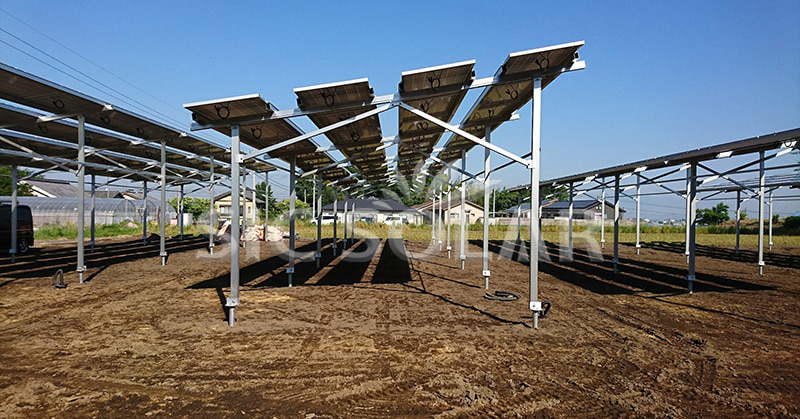
Tấm pin mặt trời tự nhiên tạo ra bóng râm một phần bên dưới cấu trúc của chúng. Mặc dù một số loại cây trồng cần ánh nắng mặt trời đầy đủ, nhưng nhiều loại cây khác lại có lợi từ bóng râm vừa phải, đặc biệt là ở những vùng có nhiệt độ cao và ánh nắng mạnh. Ánh nắng mặt trời quá mức có thể làm tăng sự bốc hơi của đất và gây căng thẳng cho cây trồng, làm giảm chất lượng cây trồng và hiệu quả sử dụng nước. Bóng râm do tấm pin mặt trời tạo ra có thể giúp điều chỉnh nhiệt độ và cải thiện điều kiện sinh trưởng cho một số loại cây trồng nhất định.
Một lợi thế lớn của việc trồng trọt dưới các tấm pin mặt trời là khả năng giữ ẩm tốt hơn cho đất. Vì các tấm pin làm giảm sự tiếp xúc trực tiếp với ánh nắng mặt trời, nước bốc hơi từ mặt đất chậm hơn. Điều này giúp duy trì độ ẩm của đất và có thể giảm nhu cầu tưới tiêu, đặc biệt có lợi ở những vùng khí hậu khô hạn hoặc bán khô hạn, nơi việc bảo tồn nước rất quan trọng.
Kiểm soát nhiệt độ là một lợi ích khác. Tấm pin mặt trời tạo ra một vi khí hậu mát hơn bên dưới cấu trúc, giúp bảo vệ cây trồng khỏi bị căng thẳng do nhiệt trong thời tiết cực kỳ nóng. Các nghiên cứu đã chỉ ra rằng một số loại rau và rau lá xanh phát triển tốt trong điều kiện này vì chúng ít tiếp xúc với nhiệt độ cao và ánh nắng mặt trời quá mức.
Việc lựa chọn cây trồng là yếu tố thiết yếu cho sự thành công của nông nghiệp kết hợp năng lượng mặt trời. Các loại cây trồng chịu bóng râm thường cho năng suất tốt hơn dưới các tấm pin mặt trời. Các loại cây như xà lách, rau bina, cải xoăn, các loại thảo mộc và một số loại quả mọng có thể phát triển hiệu quả với ánh sáng mặt trời được lọc. Ngược lại, các loại cây trồng cần ánh sáng mặt trời trực tiếp liên tục có thể bị giảm năng suất nếu bóng râm quá mạnh.
Thiết kế hệ thống giá đỡ pin mặt trời cũng đóng vai trò quan trọng. Hệ thống nông nghiệp kết hợp năng lượng mặt trời thường được lắp đặt cao hơn so với các cấu trúc năng lượng mặt trời tiêu chuẩn để có đủ không gian cho các hoạt động canh tác. Khoảng cách hợp lý giữa các hàng tấm pin đảm bảo đủ ánh sáng mặt trời chiếu đến cây trồng vào các thời điểm khác nhau trong ngày. Góc nghiêng có thể điều chỉnh và bố cục tối ưu có thể cải thiện hơn nữa sự cân bằng giữa sản xuất năng lượng và năng suất nông nghiệp.
Các hệ thống lắp đặt hiện đại ngày càng được thiết kế để hỗ trợ các ứng dụng nông nghiệp kết hợp năng lượng mặt trời. Các nhà sản xuất như SIC Solar Cung cấp các giải pháp lắp đặt tấm pin quang điện có thể thích ứng với các công trình nông nghiệp trên cao. Hệ thống của họ được thiết kế để đảm bảo tính ổn định về cấu trúc đồng thời cho phép khoảng không gian và khả năng tiếp cận đầy đủ cho thiết bị nông nghiệp và việc quản lý cây trồng.
Một ưu điểm khác của nông nghiệp kết hợp năng lượng mặt trời là sử dụng đất hiệu quả. Thay vì sử dụng các khu vực đất riêng biệt cho canh tác và sản xuất năng lượng mặt trời, cả hai hoạt động có thể cùng tồn tại trên cùng một địa điểm. Cách tiếp cận sử dụng kép này có thể cải thiện năng suất đất và tạo ra các cơ hội thu nhập bổ sung cho nông dân thông qua việc sản xuất điện.
Việc bảo trì và lập kế hoạch vận hành cũng rất quan trọng. Cấu trúc lắp đặt phải đủ bền chắc để chịu được các điều kiện thời tiết khắc nghiệt, đồng thời cho phép máy kéo, hệ thống tưới tiêu và công nhân di chuyển an toàn bên dưới các tấm pin. Thiết kế kỹ thuật và bố trí cẩn thận giúp đảm bảo hoạt động nông nghiệp diễn ra suôn sẻ mà không ảnh hưởng đến hiệu suất năng lượng mặt trời.
Cây trồng có thể phát triển hiệu quả dưới các tấm pin mặt trời khi hệ thống được thiết kế đúng cách và phù hợp với các loại cây trồng thích hợp. Bằng cách kết hợp sản xuất năng lượng tái tạo với nông nghiệp, hệ thống nông nghiệp kết hợp năng lượng mặt trời (agrivoltaic) cung cấp một giải pháp thiết thực và bền vững để tối đa hóa việc sử dụng đất đồng thời hỗ trợ cả sản xuất lương thực và năng lượng.



 IPv6 Mạng được hỗ trợ
 Tiếng việt
  English
 Deutsch
 español
 português
 Nederlands
 العربية
 日本語
日本語 한국의
한국의 Melayu