
Bạn đang tìm kiếm điều gì?

Hãy tưởng tượng một mảnh ghép đất nông nghiệp, nơi các tấm pin mặt trời vươn lên như những người lính canh phía trên cây trồng, tạo ra những bóng râm loang lổ nhảy múa trên mặt đất. Đây không chỉ là một giấc mơ tương lai—đây là thực tế của hệ thống điện mặt trời nông nghiệp, sự kết hợp giữa nông nghiệp và năng lượng mặt trời đang thu hút sự chú ý của cả nông dân lẫn các nhà phát triển điện mặt trời. Cách những tấm pin này tương tác với môi trường thực sự vô cùng thú vị...
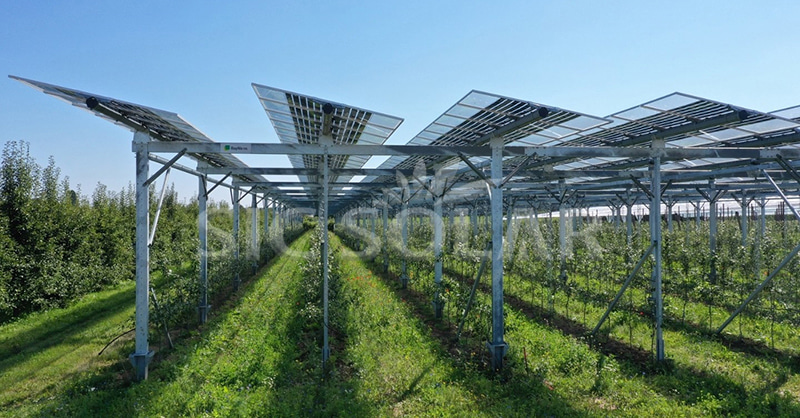
Trước hết, hãy nói về độ ẩm—chính xác hơn là độ ẩm đất. Những tấm pin nằm phía trên tạo ra một lớp chắn, làm dịu đi sự gay gắt của ánh nắng mặt trời. Nó giống như một cái ôm nhẹ nhàng dành cho trái đất, giúp giảm sự bay hơi vào những ngày nắng nóng gay gắt. Hãy tưởng tượng đất giữ lại lượng ẩm quý giá lâu hơn một chút, như đang thì thầm lời hứa về việc giảm nhu cầu tưới tiêu cho những cây trồng khát nước. Nhưng dĩ nhiên, đây không phải là giải pháp phù hợp cho mọi trường hợp; các yếu tố như loại đất, khí hậu địa phương và thậm chí chiều cao của các tấm pin đều đóng vai trò trong sự cân bằng tinh tế này.
Và rồi có mưa—ồ, những cơn mưa! Khi các giọt nước chảy xuống từ những tấm pin, chúng không chỉ rơi ngẫu nhiên; chúng tạo ra những vùng ẩm bên dưới, nuôi dưỡng phần đất phía dưới. Nó giống như hệ thống tưới tiêu tự nhiên của chính thiên nhiên, nhưng cần được lên kế hoạch cẩn thận—bố trí khoảng cách giữa các tấm pin thật hợp lý, đảm bảo khả năng thoát nước tốt để tránh những vũng nước có thể làm ngập và gây hại cho cây trồng.
Nhiệt độ cũng là một yếu tố tham gia trong cuộc chơi này. Trong những ngày hè oi bức, đất được che bóng sẽ mát hơn, mang lại sự giảm nhẹ trước ánh nắng gay gắt không ngừng. Đó là nơi trú ẩn cho rễ cây, giúp chúng ổn định và phát triển tốt. Nhưng khi đêm xuống, nhiệt độ có thể thay đổi thất thường, chịu ảnh hưởng bởi độ ẩm và gió—giống như một đêm mất ngủ đối với cây trồng, không bao giờ biết chắc điều gì sẽ xảy ra.
Giờ đây, không phải loại cây trồng nào cũng yêu thích bóng râm. Một số loại phát triển mạnh dưới ánh nắng toàn phần, trong khi những loại khác—những loài nhạy cảm hơn—lại thích một chút che phủ. Điều này khiến việc thiết kế hệ thống điện mặt trời trở nên vô cùng quan trọng; đó là sự phối hợp giữa chiều cao và khoảng cách của các tấm pin, đảm bảo mỗi loại cây nhận được lượng ánh sáng phù hợp.
Bản thân kết cấu—những tấm pin được nâng cao đó—không chỉ để tạo vẻ đẹp. Chúng cho phép ánh sáng mặt trời, nước mưa và không khí tự do tương tác với cây trồng bên dưới, đồng thời vẫn để đủ không gian cho máy kéo và các loại máy móc khác di chuyển bên dưới. Đó là một sự sắp xếp cẩn thận, đảm bảo mọi hoạt động từ tưới tiêu đến thu hoạch đều có thể diễn ra thuận lợi.
Các công ty như SIC Solar đang phát triển, chế tạo các giải pháp giá đỡ phù hợp với nhu cầu riêng biệt của những môi trường canh tác khác nhau. Họ cung cấp sự linh hoạt về chiều cao và bố cục tấm pin, cân bằng giữa yêu cầu của năng lượng mặt trời và nhu cầu của nông nghiệp.
Trước khi chiếc vít đầu tiên được bắt xuống đất, các nhà phát triển cần xắn tay áo và nghiên cứu kỹ các chi tiết—loại đất, mô hình lượng mưa, nhu cầu cây trồng và đặc điểm ánh nắng tại địa phương. Sau khi các tấm pin được lắp đặt, việc còn lại là theo dõi. Các cảm biến có thể giám sát độ ẩm và nhiệt độ đất, giúp nông dân biết khi nào cần điều chỉnh tưới tiêu hoặc thay đổi phương pháp quản lý canh tác.
Bây giờ, hãy cùng tìm hiểu một số câu hỏi nóng bỏng về các hệ thống điện mặt trời nông nghiệp này...
Hỏi: Kết cấu giá đỡ điện mặt trời có thể được tùy chỉnh cho các loại cây trồng khác nhau không?
Đáp: Chắc chắn rồi! Có thể điều chỉnh chiều cao, khoảng cách và bố cục tấm pin để phù hợp với nhu cầu cụ thể của nhiều loại cây trồng khác nhau.
Hỏi: Hệ thống giá đỡ điện mặt trời nông nghiệp nên cao bao nhiêu?
Đáp: Điều này thực sự phụ thuộc vào loại cây trồng, máy móc được sử dụng và kích thước của các tấm pin. Các kết cấu cao hơn thường cần thiết ở những nơi có máy kéo hoạt động.
Hỏi: Hệ thống giá đỡ có cho phép máy móc nông nghiệp đi qua bên dưới không?
Đáp: Có! Những kết cấu nâng cao này có thể được thiết kế để tạo đủ khoảng trống cho nhiều loại thiết bị nông nghiệp.
Hỏi: Khoảng cách rộng hơn giữa các tấm pin có giúp cây trồng phát triển tốt hơn không?
Đáp: Có thể! Nhiều không gian hơn cho phép ánh sáng mặt trời và nước mưa tiếp cận cây trồng tốt hơn, nhưng có thể đồng nghĩa với việc tổng số tấm pin sẽ ít hơn. Tìm được điểm cân bằng phù hợp là điều then chốt.
Hỏi: Những lựa chọn nền móng nào có sẵn cho các dự án điện mặt trời nông nghiệp?
Đáp: Tùy thuộc vào loại đất, bạn có thể chọn vít nền, cọc đóng hoặc móng bê tông. Việc đánh giá đất kỹ lưỡng là rất quan trọng trước khi đưa ra quyết định.
Hỏi: Các hệ thống giá đỡ điện mặt trời nông nghiệp có thể chịu được gió mạnh không?
Đáp: Chắc chắn, nếu được thiết kế đúng cách! Việc tính toán tải trọng gió và đảm bảo độ bền kết cấu là yếu tố quan trọng trong quá trình thiết kế.
Hỏi: Những vật liệu nào thường được sử dụng cho các kết cấu giá đỡ điện mặt trời nông nghiệp?
Đáp: Thép mạ kẽm và nhôm là những lựa chọn phổ biến, nổi tiếng nhờ độ bền và khả năng chống ăn mòn—rất phù hợp với môi trường ngoài trời.
Hỏi: Hệ thống có thể được mở rộng trong tương lai không?
Đáp: Có! Thiết kế mô-đun giúp việc bổ sung thêm các dãy pin mặt trời hoặc các phần mở rộng trở nên dễ dàng hơn khi mục đích sử dụng đất và nhu cầu năng lượng thay đổi.



 IPv6 Mạng được hỗ trợ
 Tiếng việt
  English
 Deutsch
 español
 português
 Nederlands
 العربية
 日本語
日本語 한국의
한국의 Melayu