
Bạn đang tìm kiếm điều gì?

The cost of a solar mounting system depends on several factors, not just the price of the brackets and rails. Roof type, installation conditions, material selection, local weather, and project size all play a role in the final cost. Knowing what affects the price can help buyers choose a reliable system that fits their budget and project requirements.
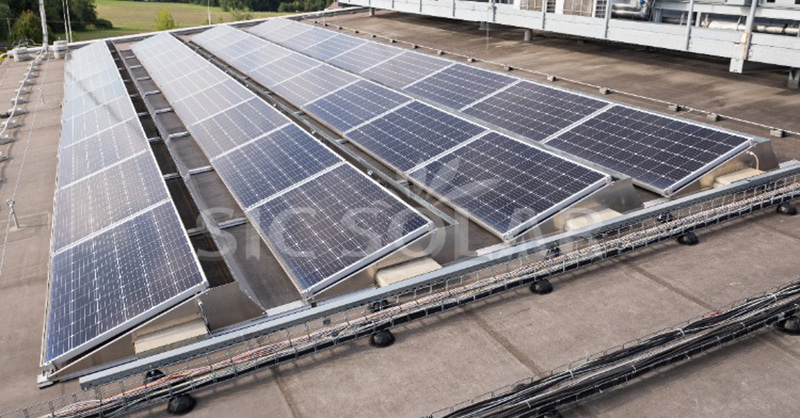
Different solar mounting systems come with different costs. Roof-mounted systems are commonly used for residential and commercial buildings, while ground-mounted systems may require additional foundations and support structures. Flat roof projects can use ballasted or mechanically fixed systems, depending on the roof conditions. Solar carports and custom structures may cost more because of their larger components and specific design requirements.
Material choice also affects the overall price. Aluminum is lightweight and naturally corrosion-resistant, making it a popular option for rooftop installations. Steel offers high strength and is often used for larger mounting structures. Surface treatments such as anodizing, galvanizing, and ZAM coating can improve durability in outdoor environments, but they may also affect the final cost.
Larger projects may benefit from bulk purchasing and standardized components. However, complicated layouts, difficult site access, special foundation requirements, and additional labor can increase the total cost. Choosing pre-assembled components may help simplify installation, save time, and reduce labor expenses.
Local wind speeds, snow loads, terrain, roof conditions, and building codes all influence the design of a solar mounting system. A cheaper option may not be suitable if it fails to meet the project's structural requirements. When comparing quotations, check the material specifications, component quantities, engineering requirements, shipping costs, and installation arrangements rather than looking at the total price alone.
SIC Solar manufactures and supplies photovoltaic mounting brackets for a range of applications, including rooftop installations, ground-mounted projects, and customized solar structures. Sharing accurate project details with the supplier makes it easier to identify a suitable solution and receive a more accurate quotation.
Q1: What information is needed for a solar mounting system quotation?
A: Provide the project location, mounting type, system capacity, solar panel dimensions, site drawings, and estimated order quantity. These details help the supplier assess your requirements.
Q2: Is aluminum or steel more cost-effective?
A: It depends on the project design, load requirements, corrosion conditions, and system size. Comparing the cost of the complete mounting system is more useful than looking at material prices alone.
Q3: Does the roof type affect the cost?
A: Yes. Tile roofs, metal roofs, and flat roofs require different mounting components and fixing methods, which can affect both material and installation costs.
Q4: Can I get a quotation for a customized mounting system?
A: Yes. Send your drawings, dimensions, installation requirements, and other relevant technical details for evaluation.
Q5: Does the quotation include installation costs?
A: Not necessarily. Confirm whether the quotation covers mounting components, shipping, engineering services, and installation labor.
Q6: How can I reduce solar mounting system costs?
A: Optimize the system layout, use standard components where suitable, provide accurate project information, and compare quotations based on the same technical specifications.
Q7: Can SIC Solar supply mounting brackets for bulk orders?
A: Contact SIC Solar with your required specifications, order quantity, and delivery destination to discuss suitable products, lead times, and pricing.



 IPv6 Mạng được hỗ trợ
 Tiếng việt
  English
 Deutsch
 español
 português
 Nederlands
 العربية
 日本語
日本語 한국의
한국의 Melayu