Bạn đang tìm kiếm điều gì?

Mái kim loại—những người bảo vệ vững chắc cho ngôi nhà và doanh nghiệp của chúng ta—đã trở thành lựa chọn hàng đầu để lắp đặt các tấm pin năng lượng mặt trời. Nhưng đây là điểm mấu chốt: không phải mái kim loại nào cũng giống nhau. Giải pháp lắp đặt mà bạn chọn? Chà, nó phụ thuộc vào một loạt các yếu tố như cấu hình mái, tính toàn vẹn về cấu trúc, cách bạn dự định lắp đặt và sự thất thường của thời tiết địa phương.
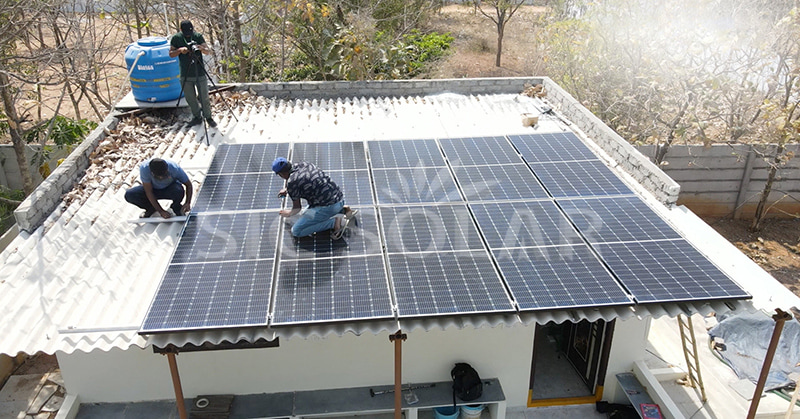
Đầu tiên, hãy nói về cấu hình mái. Bạn có mái đường nối đứng (standing seam), mái tôn sóng và mái hình thang, mỗi loại đều đòi hỏi các thành phần lắp đặt độc đáo riêng. Mái đường nối đứng? Chúng thường có thể sử dụng các kẹp đường nối tiện lợi để gắn vào các đường nối nhô cao đó—không cần khoan. Ngược lại, mái tôn sóng và mái hình thang có thể cần giá đỡ năng lượng mặt trời, chân chữ L hoặc thanh ray mini được neo vào các điểm cấu trúc vững chắc.
Bây giờ, về việc xuyên thủng mái—à, nỗi ám ảnh của nhiều hệ thống mái. Việc giảm thiểu những lỗ thủng khó chịu đó là rất quan trọng để ngăn chặn rò rỉ. Nếu bạn đang làm việc với mái đường nối đứng, bạn có thể gặp may với các kẹp không cần xuyên thủng, với điều kiện thiết kế đường nối và cấu trúc phù hợp. Nhưng đối với các cấu hình khác, bạn có thể phải chấp nhận sử dụng giá đỡ xuyên thủng. Chỉ cần đảm bảo bạn chọn đúng loại ốc vít và vật liệu làm kín để ngăn thời tiết xâm nhập.
Tiếp theo, hãy đi sâu vào các yêu cầu về cấu trúc và thời tiết. Trước khi bạn quá hào hứng với việc lắp đặt, hãy kiểm tra khả năng chịu tải của mái nhà. Hãy nghĩ đến trọng lượng của các tấm pin, nhịp của các thanh ray lắp đặt và cách bạn dự định bố trí mảng pin. Và đừng quên—tải trọng gió và tuyết tại địa phương có thể gây trở ngại cho kế hoạch của bạn, đặc biệt là đối với các dự án thương mại ở những khu vực mà thiên nhiên thường xuyên thể hiện sức mạnh. Hãy chọn hệ thống lắp đặt phù hợp với cấu trúc mái như một chiếc găng tay.
Còn về vật liệu thì sao? Bạn muốn sự bền bỉ, phải không? Hợp kim nhôm là người bạn nhẹ, chống ăn mòn của bạn, trong khi phần cứng bằng thép không gỉ cung cấp các kết nối chắc chắn. Các thành phần làm kín EPDM có thể tăng cường khả năng bảo vệ xung quanh các điểm cố định đó. Chỉ cần nhớ xem xét các yếu tố như độ ẩm, sự tiếp xúc với môi trường ven biển, sự thay đổi nhiệt độ và thời gian bạn mong đợi hệ thống của mình tồn tại.
SIC Solar? Họ là những chuyên gia trong các hệ thống lắp đặt quang điện, sẵn sàng giải quyết mọi cấu hình mái kim loại và thách thức lắp đặt.
Bây giờ, hãy giải quyết một số câu hỏi RFQ:
Hỏi: Tôi cần những gì cho một RFQ lắp đặt mái kim loại?
Đáp: Bạn sẽ cần thu thập thông tin chi tiết về cấu hình mái, kích thước tấm pin, vị trí dự án, số lượng, bố trí mái và tải trọng gió hoặc tuyết tại địa phương—hãy coi đó là danh sách mua sắm của bạn.
Hỏi: Tôi có thể lắp đặt kẹp đường nối đứng mà không cần khoan không?
Đáp: Chắc chắn rồi! Nếu cấu hình đường nối và điều kiện cấu trúc phù hợp, các kẹp đó có thể gắn vào mà không cần bất kỳ lỗ khoan nào.
Hỏi: Có hệ thống lắp đặt cho mái tôn sóng không?
Đáp: Chắc chắn rồi! Có các giá đỡ chuyên dụng, chân chữ L và thanh ray được thiết kế riêng để phù hợp với cấu hình mái và các điểm cố định của bạn.
Hỏi: Tôi có thể tùy chỉnh hệ thống lắp đặt không?
Đáp: Chắc chắn rồi! Kẹp, giá đỡ, thanh ray và ốc vít có thể được tùy chỉnh để đáp ứng nhu cầu dự án cụ thể của bạn.
Hỏi: Những vật liệu nào có sẵn cho hệ thống lắp đặt mái kim loại?
Đáp: Bạn có các lựa chọn như nhôm, thép không gỉ, thép mạ kẽm và các thành phần EPDM—hãy chọn loại phù hợp nhất với ứng dụng của bạn.
Hỏi: SIC Solar có thể cung cấp giải pháp lắp đặt mái kim loại hoàn chỉnh không?
Đáp: Vâng, chắc chắn rồi! SIC Solar có thể cung cấp tất cả các thành phần lắp đặt quang điện và đưa ra các giải pháp tùy chỉnh dựa trên loại mái và thông số kỹ thuật dự án của bạn.
Hỏi: Tôi cần những tài liệu gì để có báo giá chính xác?
Đáp: Bản vẽ mái, chi tiết cấu hình, thông số kỹ thuật tấm pin, vị trí lắp đặt và thông tin tải trọng cấu trúc sẽ giúp xác định thiết kế hệ thống và giá cả.



 IPv6 Mạng được hỗ trợ
 Tiếng việt
  English
 Deutsch
 español
 português
 Nederlands
 العربية
 日本語
日本語 한국의
한국의 Melayu