
Bạn đang tìm kiếm điều gì?

The cost of a solar mounting system involves more than just brackets and rails. Material selection, site conditions, structural requirements, and project size all influence the final price. Understanding these factors makes it easier to compare suppliers and plan a realistic budget.
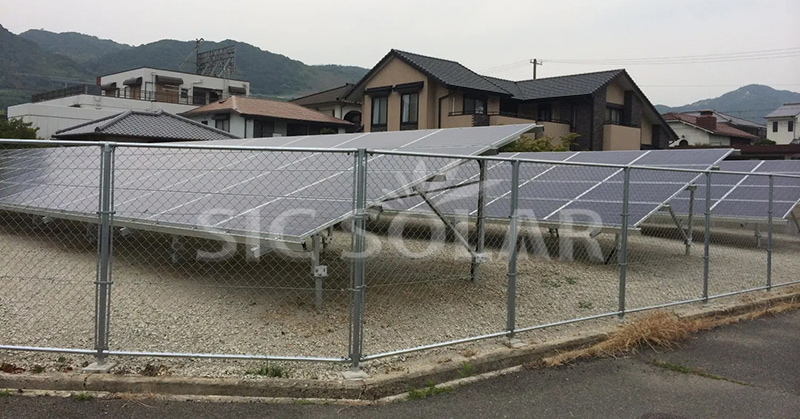
Roof-mounted, ground-mounted, and solar carport systems each require different components and structural designs. Roof type, ground conditions, drainage, and site accessibility can also affect installation complexity and labor costs.
Aluminum is lightweight and corrosion-resistant, making it a common choice for rooftop systems. Steel provides greater structural strength for many large-scale projects. Surface treatments such as anodizing, galvanizing, and ZAM coating help protect components from outdoor exposure. The right option depends on the project environment, budget, and expected service life.
Local wind speeds and snow loads play an important role in mounting system design. They can affect rail spacing, bracket strength, fastener selection, and foundation requirements. Projects in areas with severe weather may need reinforced components or additional supports, which can increase material and engineering costs.
Large orders may benefit from bulk pricing and standardized components. Pre-assembled parts can also make on-site installation faster and reduce labor requirements. On the other hand, customized layouts, limited site access, and complex foundations may add to the overall cost.
SIC Solar manufactures and supplies photovoltaic mounting brackets for a range of solar applications. Providing clear project details helps the team assess your requirements and recommend suitable components for a more accurate quotation.
Q1: What information is needed for a solar mounting system quotation?
A: Provide the project location, mounting type, solar panel specifications, layout drawings, and estimated order quantity.
Q2: Is aluminum cheaper than steel?
A: Not necessarily. The overall cost depends on the system design, structural requirements, transportation, installation, and long-term maintenance.
Q3: Do wind and snow loads affect the price?
A: Yes. Higher design loads may require stronger components, additional supports, or reinforced foundations.
Q4: Can customized mounting systems cost more?
A: Yes. Special designs, non-standard materials, and additional production requirements can increase costs.
Q5: How can I reduce installation costs?
A: Choose a practical layout, use compatible standard components where possible, and consider pre-assembled parts to simplify installation.
Q6: Does the quotation include shipping and installation?
A: Not always. Check whether the quotation covers mounting components, packaging, shipping, engineering services, and labor.
Q7: Can SIC Solar offer bulk-order pricing?
A: Contact SIC Solar with your product specifications, order quantity, and delivery destination to discuss pricing and supply options.



 IPv6 Mạng được hỗ trợ
 Tiếng việt
 English
 Deutsch
 español
 português
 Nederlands
 العربية
 日本語
 한국의
 Melayu