
Bạn đang tìm kiếm điều gì?

Các dự án năng lượng mặt trời quy mô lớn Các hệ thống này, thường được gọi là các công trình quy mô lớn, đòi hỏi hệ thống giá đỡ có thể đảm bảo tính ổn định, hiệu quả và tiết kiệm chi phí trong nhiều thập kỷ vận hành. Việc lựa chọn hệ thống giá đỡ “tốt nhất” không phải là tìm ra một giải pháp duy nhất phù hợp với mọi trường hợp, mà là lựa chọn cấu trúc phù hợp nhất dựa trên các điều kiện của dự án như loại đất, khí hậu và ngân sách.
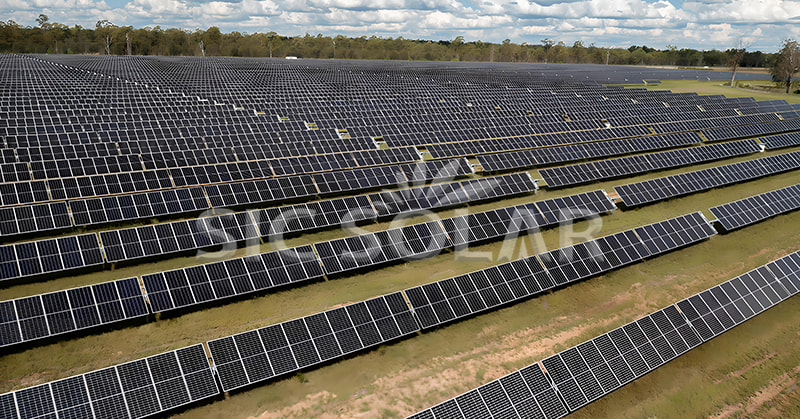
Một trong những lựa chọn phổ biến nhất cho các dự án năng lượng mặt trời quy mô lớn là hệ thống giá đỡ cố định đặt trên mặt đất. Loại cấu trúc giá đỡ này giữ các tấm pin mặt trời ở một góc cố định, được tối ưu hóa cho vĩ độ và điều kiện ánh sáng mặt trời của địa điểm lắp đặt. Hệ thống giá đỡ cố định được ưa chuộng vì tính đơn giản, chi phí lắp đặt thấp và yêu cầu bảo trì tối thiểu. Chúng đặc biệt phù hợp cho các dự án ưu tiên độ tin cậy và kiểm soát chi phí.
Một giải pháp được sử dụng rộng rãi khác là hệ thống theo dõi một trục. Khác với các hệ thống cố định, hệ thống theo dõi cho phép các tấm pin mặt trời theo dõi chuyển động của mặt trời suốt cả ngày. Điều này làm tăng sản lượng điện so với các cấu trúc tĩnh, khiến chúng trở nên hấp dẫn đối với các dự án quy mô lớn tập trung vào việc tối đa hóa sản lượng. Tuy nhiên, hệ thống theo dõi phức tạp hơn và đòi hỏi vốn đầu tư ban đầu và chi phí bảo trì cao hơn, cần được cân nhắc so với lợi ích năng lượng dự kiến thu được.
Việc lựa chọn nền móng cũng quan trọng không kém trong việc xác định hệ thống lắp đặt tốt nhất. Các dự án quy mô lớn thường sử dụng cọc đóng hoặc vít đất, tùy thuộc vào điều kiện đất. Cọc đóng thường được sử dụng trong đất chắc và cho phép lắp đặt nhanh chóng, trong khi vít đất mang lại sự linh hoạt và giảm thiểu tác động đến môi trường. Nền móng phù hợp đảm bảo hệ thống lắp đặt có thể chịu được tải trọng gió, sự dịch chuyển của đất và tác động lâu dài đến môi trường.
Độ bền vật liệu là một yếu tố quan trọng khác. Hệ thống lắp đặt cho các dự án quy mô lớn phải có khả năng hoạt động trong 25 năm trở lên. Nhôm và thép mạ kẽm nhúng nóng thường được sử dụng do độ bền và khả năng chống ăn mòn của chúng. Vật liệu chất lượng cao giúp giảm chi phí bảo trì và đảm bảo tính toàn vẹn cấu trúc lâu dài.
Hiệu quả lắp đặt đóng vai trò quan trọng trong các dự án lớn. Với hàng nghìn, thậm chí hàng triệu tấm pin cần lắp đặt, hệ thống lắp đặt phải được thiết kế để lắp ráp nhanh chóng. Các cấu kiện đúc sẵn và thiết kế dạng mô-đun có thể giảm đáng kể thời gian lắp đặt và chi phí nhân công. Lắp đặt hiệu quả ảnh hưởng trực tiếp đến tiến độ tổng thể của dự án và lợi tức đầu tư.
Điều kiện địa điểm cũng ảnh hưởng đến việc lựa chọn hệ thống lắp đặt. Đất bằng phẳng và thoáng đãng là lý tưởng cho cả hệ thống cố định góc nghiêng và hệ thống theo dõi chuyển động, trong khi địa hình không bằng phẳng có thể đòi hỏi các thiết kế linh hoạt hơn. Trong một số trường hợp, cần có các cấu trúc lắp đặt tùy chỉnh để phù hợp với độ dốc hoặc điều kiện địa hình khó khăn.
Các nhà sản xuất như SIC Solar Họ cung cấp nhiều giải pháp lắp đặt phù hợp cho các dự án năng lượng mặt trời quy mô lớn. Hệ thống của họ được thiết kế để cân bằng giữa độ bền kết cấu, hiệu quả lắp đặt và hiệu suất chi phí. Bằng cách cung cấp các thành phần tương thích và thiết kế linh hoạt, họ giúp các nhà phát triển lựa chọn giải pháp lắp đặt phù hợp nhất cho các môi trường dự án khác nhau.
Tóm lại, hệ thống giá đỡ tốt nhất cho một dự án năng lượng mặt trời quy mô lớn phụ thuộc vào việc đạt được sự cân bằng phù hợp giữa sản lượng năng lượng, chi phí, độ bền và điều kiện địa điểm. Việc lập kế hoạch và lựa chọn cấu trúc giá đỡ cẩn thận đảm bảo rằng hệ thống năng lượng mặt trời có thể hoạt động hiệu quả và đáng tin cậy trong suốt vòng đời của nó.



 IPv6 Mạng được hỗ trợ
 Tiếng việt
  English
 Deutsch
 español
 português
 Nederlands
 العربية
 日本語
日本語 한국의
한국의 Melayu