
Bạn đang tìm kiếm điều gì?

Khi nhu cầu về các tòa nhà bền vững tiếp tục tăng, các hệ thống tích hợp quang điện vào công trình (BIPV)Quang điện tích hợp vào công trình (BIPV) đang trở thành một phần quan trọng trong thiết kế kiến trúc hiện đại. Không giống như các tấm pin mặt trời thông thường được lắp đặt trên mái nhà hoặc mặt tiền có sẵn, các hệ thống BIPV được tích hợp trực tiếp vào lớp vỏ công trình. Phương pháp đổi mới này đã làm tăng nhu cầu về các giá đỡ pin mặt trời BIPV chuyên dụng, cung cấp sự hỗ trợ kết cấu cần thiết đồng thời duy trì cả tính an toàn và thẩm mỹ kiến trúc.
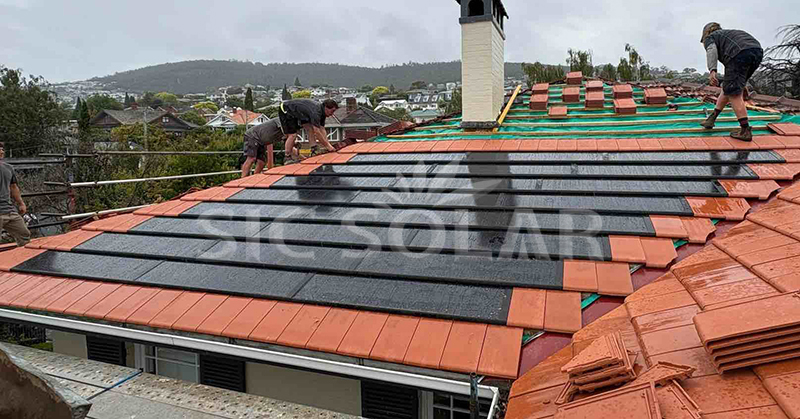
Một trong những lý do chính khiến các giá đỡ pin mặt trời BIPV ngày càng phổ biến là khả năng kết hợp chức năng với thiết kế. Các kiến trúc sư hiện đại đang tìm kiếm những giải pháp tạo ra năng lượng sạch mà không làm ảnh hưởng đến vẻ ngoài của công trình. Giá đỡ BIPV được thiết kế để hỗ trợ chắc chắn kính quang điện, tấm mặt tiền, giếng trời hoặc vật liệu lợp mái, đồng thời hòa hợp liền mạch với tổng thể kết cấu. Điều này cho phép các tòa nhà sản xuất điện mà không tạo ra ảnh hưởng thị giác như các hệ thống pin mặt trời truyền thống.
Một ưu điểm khác là sử dụng không gian công trình hiệu quả. Ở các khu vực đô thị đông đúc, diện tích mái thường bị hạn chế. Các hệ thống BIPV tận dụng tường, mặt tiền, ban công, mái che và các bề mặt bên ngoài khác để tạo ra năng lượng mặt trời. Các giá đỡ lắp đặt chuyên dụng giúp có thể lắp đặt vật liệu quang điện trên những bề mặt thẳng đứng hoặc nghiêng này, đồng thời đảm bảo độ ổn định kết cấu.
Hiệu quả năng lượng cũng đang thúc đẩy việc áp dụng các hệ thống BIPV. Bằng cách tích hợp trực tiếp các mô-đun năng lượng mặt trời vào lớp vỏ công trình, BIPV giảm nhu cầu sử dụng vật liệu xây dựng riêng biệt trong khi vẫn tạo ra điện năng tái tạo. Trong một số ứng dụng, kính quang điện cũng có thể cải thiện khả năng cách nhiệt, giảm lượng nhiệt hấp thụ từ mặt trời và nâng cao hiệu suất năng lượng tổng thể của tòa nhà.
An toàn và độ bền là những yếu tố cần được xem xét hàng đầu trong các dự án BIPV. Vì các thành phần quang điện trở thành một phần của chính công trình, các giá đỡ lắp đặt phải chịu được tải trọng gió, sự thay đổi nhiệt độ, mưa và tác động môi trường trong thời gian dài. Các giá đỡ BIPV chất lượng cao thường được sản xuất từ nhôm hoặc thép không gỉ, mang lại khả năng chống ăn mòn tuyệt vời và độ bền kết cấu cao, đồng thời giảm thiểu yêu cầu bảo trì.
Tính linh hoạt của các hệ thống lắp đặt BIPV là một ưu điểm quan trọng khác. Các thiết kế kiến trúc khác nhau yêu cầu những phương pháp lắp đặt khác nhau, và các giá đỡ hiện đại được chế tạo để phù hợp với nhiều kích thước tấm pin, hệ thống mặt tiền và vật liệu xây dựng. Khả năng thích ứng này cho phép kiến trúc sư và kỹ sư tạo ra các giải pháp tùy chỉnh cho các tòa nhà dân dụng, thương mại và công cộng.
Khi các chính phủ trên toàn thế giới tiếp tục thúc đẩy các tiêu chuẩn xây dựng xanh và mục tiêu giảm phát thải carbon, BIPV đã trở thành một lựa chọn hấp dẫn cho các nhà phát triển tìm kiếm giải pháp xây dựng thân thiện với môi trường. Việc tích hợp năng lượng tái tạo trực tiếp vào kết cấu công trình giúp cải thiện xếp hạng bền vững đồng thời giảm chi phí năng lượng trong dài hạn.
Các nhà sản xuất như SIC Solar, một công ty chuyên sản xuất và cung cấp các hệ thống lắp đặt quang điện, cung cấp các giải pháp giá đỡ pin mặt trời BIPV được thiết kế cho nhiều ứng dụng kiến trúc khác nhau. Hệ thống lắp đặt của họ được chế tạo để hỗ trợ mặt tiền quang điện, mái nhà và các kết cấu tích hợp khác, đồng thời mang lại hiệu suất đáng tin cậy, hiệu quả lắp đặt và độ bền lâu dài.
Sự phổ biến ngày càng tăng của các giá đỡ pin mặt trời BIPV phản ánh sự phát triển của kiến trúc hiện đại hướng tới những công trình thông minh hơn và bền vững hơn. Bằng cách kết hợp việc tạo ra năng lượng tái tạo với thiết kế kết cấu đổi mới, các hệ thống lắp đặt BIPV giúp biến các bề mặt công trình thành những nguồn cung cấp điện sạch có giá trị, đồng thời hỗ trợ tầm nhìn kiến trúc của ngành xây dựng đương đại.



 IPv6 Mạng được hỗ trợ
 Tiếng việt
  English
 Deutsch
 español
 português
 Nederlands
 العربية
 日本語
日本語 한국의
한국의 Melayu