
Bạn đang tìm kiếm điều gì?

Hệ thống lắp đặt trên mái nhà là một trong những thành phần quan trọng nhất của một hệ thống quang điện (PV). Mặc dù các tấm pin mặt trời nhận được nhiều sự chú ý nhất, hệ thống lắp đặt là nền tảng nâng đỡ toàn bộ mảng pin. Nó cố định các tấm pin trên mái nhà, duy trì góc nghiêng và hướng lắp đặt chính xác, đồng thời đảm bảo hệ thống có thể chịu được nhiều năm tiếp xúc với các điều kiện thời tiết thay đổi. Một hệ thống lắp đặt mái nhà chất lượng cao đóng vai trò quan trọng trong sự an toàn, hiệu suất và tuổi thọ của mọi dự án năng lượng mặt trời.
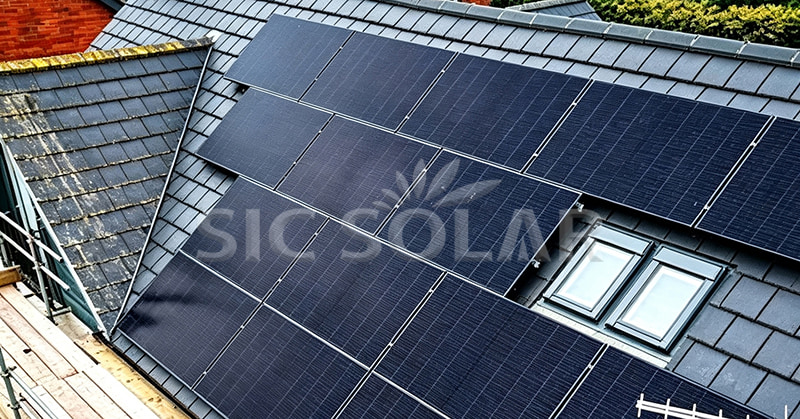
Chức năng chính của hệ thống lắp đặt trên mái nhà là cung cấp sự hỗ trợ về kết cấu. Các tấm pin mặt trời liên tục chịu tác động của gió, mưa, tuyết và sự biến động nhiệt độ. Nếu không có kết cấu lắp đặt được thiết kế đúng cách, các tác động môi trường này có thể ảnh hưởng đến độ ổn định của mảng pin mặt trời. Giá đỡ mái phân bổ đều các tải trọng này lên kết cấu tòa nhà, giúp ngăn ngừa áp lực không cần thiết lên cả mái nhà và các mô-đun quang điện.
Hệ thống lắp đặt trên mái nhà cũng giúp tối đa hóa sản lượng năng lượng. Bằng cách đặt các tấm pin mặt trời ở góc nghiêng và hướng tối ưu, chúng cho phép các mô-đun thu nhận nhiều ánh sáng mặt trời hơn trong suốt cả ngày. Tùy thuộc vào loại mái và yêu cầu dự án, người lắp đặt có thể sử dụng thanh ray, móc mái, kẹp đường gân nổi, chân chữ L hoặc giá đỡ điều chỉnh để tạo bố cục tấm pin hiệu quả.
Một ưu điểm quan trọng khác là khả năng bảo vệ mái nhà. Các hệ thống lắp đặt hiện đại được thiết kế để giảm thiểu nguy cơ rò rỉ nước và hư hại mái. Đối với mái kim loại đường gân nổi, có thể sử dụng các loại kẹp không xuyên thủng để cố định tấm pin mà không cần khoan vào vật liệu lợp mái. Đối với mái ngói, mái kim loại gợn sóng và mái phẳng, các giá đỡ, tấm chớp và gioăng chống thấm được thiết kế chuyên dụng giúp duy trì khả năng chống chịu thời tiết của mái đồng thời tạo kết nối chắc chắn.
Khả năng tương thích với nhiều loại mái khác nhau là một lý do khác khiến hệ thống lắp đặt trên mái nhà trở nên thiết yếu. Nhà ở, tòa nhà thương mại, nhà kho và nhà máy đều sử dụng các vật liệu mái và thiết kế kết cấu khác nhau. Một hệ thống lắp đặt được thiết kế tốt có thể được tùy chỉnh cho mái kim loại, mái ngói, mái lợp ván nhựa đường, mái bê tông phẳng và nhiều ứng dụng khác, đảm bảo cả độ an toàn và hiệu quả lắp đặt.
Sự dễ dàng trong lắp đặt cũng quan trọng không kém. Các hệ thống lắp đặt mô-đun với các bộ phận được lắp ráp sẵn giúp giảm thời gian thi công và chi phí nhân công, đồng thời cải thiện tính nhất quán tại công trường. Việc lắp đặt nhanh hơn không chỉ giảm chi phí dự án mà còn giúp hệ thống năng lượng mặt trời bắt đầu tạo ra điện sớm hơn.
Độ bền lâu dài phụ thuộc nhiều vào chất lượng của vật liệu lắp đặt. Hợp kim nhôm và thép không gỉ thường được sử dụng vì chúng có khả năng chống ăn mòn tuyệt vời, độ bền cao và yêu cầu bảo trì thấp. Những vật liệu này giúp đảm bảo hệ thống lắp đặt hoạt động đáng tin cậy trong suốt vòng đời 25 năm hoặc lâu hơn của một hệ thống năng lượng mặt trời.
Các nhà sản xuất như SIC Solar, một công ty chuyên sản xuất và cung cấp các hệ thống lắp đặt quang điện, cung cấp đầy đủ các giải pháp lắp đặt mái nhà cho các dự án dân dụng, thương mại và công nghiệp. Sản phẩm của họ được thiết kế để phù hợp với nhiều loại kết cấu mái khác nhau, đồng thời mang lại hiệu suất đáng tin cậy, lắp đặt hiệu quả và khả năng chống chịu các điều kiện môi trường khắc nghiệt.
Một hệ thống lắp đặt trên mái nhà được lựa chọn phù hợp cũng giúp đơn giản hóa việc bảo trì trong tương lai. Khoảng cách an toàn giữa các tấm pin và bố trí thanh ray được thiết kế hợp lý cho phép kỹ thuật viên kiểm tra, vệ sinh và bảo dưỡng mảng pin mặt trời một cách an toàn và hiệu quả. Điều này góp phần duy trì sản lượng năng lượng ổn định và giảm chi phí vận hành dài hạn.
Việc lựa chọn hệ thống lắp đặt trên mái nhà phù hợp cũng quan trọng như việc lựa chọn các tấm pin mặt trời chất lượng cao. Bằng cách cung cấp sự ổn định về kết cấu, bảo vệ mái nhà, nâng cao hiệu quả lắp đặt và hỗ trợ hiệu suất lâu dài, giá đỡ mái tạo thành nền tảng của một hệ thống quang điện đáng tin cậy có thể cung cấp năng lượng sạch trong nhiều thập kỷ.



 IPv6 Mạng được hỗ trợ
 Tiếng việt
  English
 Deutsch
 español
 português
 Nederlands
 العربية
 日本語
日本語 한국의
한국의 Melayu