
Bạn đang tìm kiếm điều gì?

Khi công nghệ năng lượng mặt trời tiếp tục phát triển, ngày càng nhiều chủ sở hữu và nhà phát triển bất động sản đang tìm hiểu các cách khác nhau để tích hợp năng lượng tái tạo vào xây dựng hiện đại. Các tấm pin mặt trời truyền thống đã được sử dụng rộng rãi trên mái nhà và các hệ thống lắp đặt trên mặt đất, trong khi hệ thống quang điện tích hợp trong tòa nhà (Building-Integrated Photovoltaics - BIPPS) đang ngày càng được sử dụng phổ biến. BIPV Cả hai công nghệ này đều đang ngày càng trở nên phổ biến trong thiết kế kiến trúc. Mặc dù cả hai đều tạo ra điện từ ánh sáng mặt trời, nhưng chúng khác biệt đáng kể về cấu trúc, chức năng và ứng dụng.
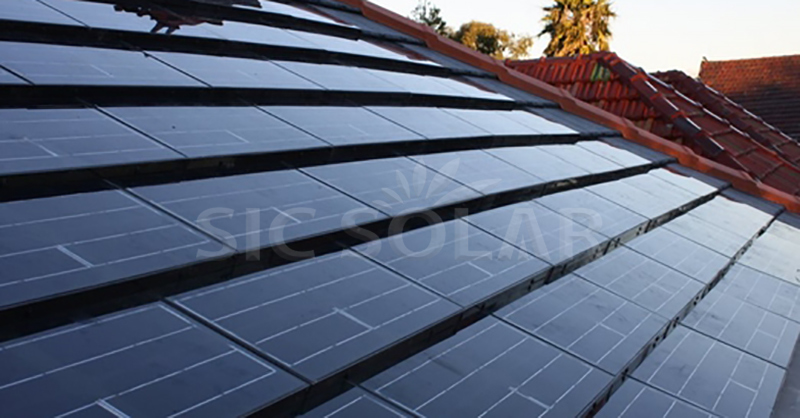
Tấm pin mặt trời truyền thống là các mô-đun quang điện độc lập được lắp đặt trên đỉnh của một cấu trúc hiện có. Chúng thường được lắp đặt trên mái nhà, hệ thống mặt đất, nhà để xe hoặc các khung đỡ khác bằng cách sử dụng các bộ phận lắp đặt năng lượng mặt trời như thanh ray, kẹp và giá đỡ. Mục đích chính của tấm pin mặt trời truyền thống là tạo ra năng lượng, trong khi cấu trúc tòa nhà vẫn tách biệt với hệ thống quang điện.
Ngược lại, BIPV đề cập đến các vật liệu quang điện được tích hợp trực tiếp vào lớp vỏ của tòa nhà. Thay vì được thêm vào một công trình đã hoàn thiện, các sản phẩm BIPV trở thành một phần của chính tòa nhà. Chúng có thể thay thế các vật liệu xây dựng thông thường như ngói, tường rèm, giếng trời hoặc tấm ốp mặt tiền, đồng thời tạo ra điện năng. Theo cách này, BIPV vừa đóng vai trò là vật liệu xây dựng vừa là hệ thống năng lượng mặt trời.
Một trong những điểm khác biệt chính giữa hai loại này là phương pháp lắp đặt. Tấm pin mặt trời truyền thống cần hệ thống giá đỡ để gắn chúng lên mái nhà hoặc các cấu trúc khác. Các hệ thống giá đỡ này phải đảm bảo độ ổn định, góc nghiêng phù hợp và khả năng chống gió. Các công ty như SIC Solar chuyên sản xuất hệ thống giá đỡ quang điện hỗ trợ lắp đặt tấm pin mặt trời truyền thống trong các ứng dụng dân dụng, thương mại và công nghiệp.
Tuy nhiên, hệ thống BIPV được thiết kế như những yếu tố kiến trúc tích hợp. Vì các thành phần quang điện được xây dựng ngay trong cấu trúc, chúng thường đòi hỏi kế hoạch kỹ thuật và xây dựng tùy chỉnh. Sự tích hợp này có thể mang lại vẻ ngoài gọn gàng và hiện đại hơn so với các tấm pin mặt trời tiêu chuẩn được lắp đặt trên bề mặt mái nhà.
Một điểm khác biệt nữa là về mặt thẩm mỹ. Các tấm pin mặt trời truyền thống rất dễ nhìn thấy vì chúng được lắp đặt trên nóc các tòa nhà. Mặc dù thiết kế các tấm pin hiện đại đã trở nên hấp dẫn hơn, nhưng chúng vẫn giữ được sự khác biệt rõ rệt so với kiến trúc ban đầu. Hệ thống BIPV được thiết kế để hòa nhập vào thiết kế tòa nhà một cách tự nhiên hơn, khiến chúng đặc biệt hấp dẫn đối với các tòa nhà thương mại cao cấp và các dự án kiến trúc hiện đại.
Chi phí cũng là một yếu tố quan trọng. Hệ thống tấm pin mặt trời truyền thống thường tiết kiệm chi phí hơn vì công nghệ đã hoàn thiện và phương pháp lắp đặt được tiêu chuẩn hóa. Hệ thống BIPV có xu hướng có chi phí ban đầu cao hơn do thiết kế tùy chỉnh, vật liệu chuyên dụng và yêu cầu lắp đặt phức tạp hơn. Tuy nhiên, BIPV có thể bù đắp một phần chi phí này bằng cách thay thế các vật liệu xây dựng truyền thống.
Sự khác biệt về hiệu suất cũng có thể tồn tại. Các tấm pin mặt trời truyền thống thường được lắp đặt ở góc tối ưu để thu được lượng ánh sáng mặt trời tối đa, cho phép chúng đạt được hiệu quả năng lượng cao hơn. Hệ thống BIPV bị hạn chế bởi hướng và thiết kế của tòa nhà, điều này có thể ảnh hưởng đến sản lượng năng lượng tùy thuộc vào hướng mặt tiền hoặc hình dạng mái nhà.
Việc bảo trì và thay thế cũng là một yếu tố cần xem xét. Các tấm pin mặt trời tiêu chuẩn được lắp đặt trên các cấu trúc bên ngoài tương đối dễ tiếp cận để vệ sinh hoặc sửa chữa. Ngược lại, việc thay thế hoặc bảo dưỡng các thành phần BIPV có thể liên quan đến công việc xây dựng phức tạp hơn vì chúng được tích hợp vào kiến trúc tổng thể.
Cả tấm pin mặt trời truyền thống và hệ thống quang điện tích hợp vào tòa nhà (BIPV) đều đóng vai trò quan trọng trong phát triển năng lượng tái tạo. Hệ thống quang điện truyền thống được hỗ trợ bởi các cấu trúc lắp đặt đáng tin cậy từ các nhà sản xuất như... SIC Solar Các giải pháp truyền thống vẫn được sử dụng rộng rãi nhất nhờ tính linh hoạt và hiệu quả về chi phí, trong khi BIPV tiếp tục phát triển như một phương pháp hiện đại kết hợp sản xuất năng lượng với tích hợp kiến trúc.



 IPv6 Mạng được hỗ trợ
 Tiếng việt
  English
 Deutsch
 español
 português
 Nederlands
 العربية
 日本語
日本語 한국의
한국의 Melayu